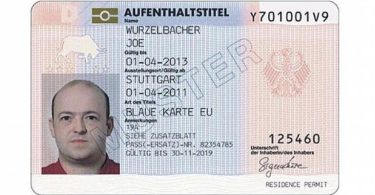

Germany remains one of the most attractive destinations for skilled professionals seeking international employment. With a strong economy, competitive salaries, comprehensive health insurance, and increasing demand for qualified workers, thousands of employers are recruiting foreign talent through work visa sponsorship programs.
Whether you are an engineer, IT professional, healthcare worker, factory employee, technician, driver, or skilled tradesperson, Germany offers numerous opportunities to build a successful career while enjoying a high quality of life.
In this guide, you’ll learn everything you need to know about Germany work visa sponsorship, salary expectations, health insurance requirements, eligible occupations, and the application process.
Why Work in Germany?
Germany has one of Europe’s strongest economies and faces a growing shortage of skilled workers across many industries. To address these shortages, German employers are increasingly hiring qualified international candidates and supporting work visa applications.
Working in Germany offers numerous benefits, including:
- Competitive annual salaries between €55,000 and €90,000
- Comprehensive public or private health insurance
- Paid annual leave and public holidays
- Pension contributions and social security benefits
- Strong employee rights and workplace protections
- Opportunities for career growth and professional development
- Family reunification options
- Access to one of the world’s best healthcare systems
- A pathway to permanent residence for eligible workers
Average Salaries in Germany
| Occupation | Average Annual Salary |
|---|---|
| Software Engineer | €60,000 – €90,000 |
| Data Scientist | €65,000 – €95,000 |
| Mechanical Engineer | €58,000 – €85,000 |
| Electrical Engineer | €60,000 – €88,000 |
| Registered Nurse | €42,000 – €65,000 |
| Factory Supervisor | €50,000 – €70,000 |
| Production Manager | €60,000 – €85,000 |
| Construction Manager | €55,000 – €80,000 |
| Truck Driver | €40,000 – €60,000 |
| Warehouse Manager | €48,000 – €70,000 |
Actual salaries vary depending on experience, qualifications, employer, location, and industry.
Germany Work Visa Sponsorship
Germany continues to welcome qualified international professionals to help fill labour shortages across multiple sectors. Many employers are willing to sponsor work visas for suitable candidates who possess the required education, professional experience, or technical skills.
Visa sponsorship generally begins with a formal job offer and employment contract from a German employer. Once an offer has been accepted, the employer provides documentation needed for the work visa application. Some employers also offer relocation assistance, accommodation support, language training, or orientation programmes to help international employees settle into life in Germany.
Industries Hiring International Workers
Germany’s labour market continues to experience demand for qualified workers in several sectors, including:
- Information Technology
- Artificial Intelligence
- Manufacturing
- Mechanical Engineering
- Electrical Engineering
- Construction
- Healthcare
- Logistics and Supply Chain
- Renewable Energy
- Finance and Banking
- Hospitality and Tourism
- Agriculture
- Scientific Research
- Data Science and Analytics
As Germany invests in innovation and infrastructure, demand for skilled professionals is expected to remain strong over the coming years.
Health Insurance Requirements
Health insurance is mandatory for everyone living and working in Germany. Employees are typically enrolled in either the public health insurance system or an approved private health insurance plan.
Public health insurance generally covers:
- General practitioner consultations
- Specialist medical care
- Hospital treatment
- Emergency healthcare
- Prescription medicines
- Maternity services
- Preventive healthcare
- Mental health treatment
- Rehabilitation services
Employees earning above certain income thresholds may qualify for private health insurance, which often provides additional benefits such as shorter waiting times, expanded treatment options, and private hospital accommodation.
Most employers contribute a significant portion of employees’ health insurance premiums as part of their employment package.
Employment Requirements
To qualify for a Germany work visa, applicants generally need:
- A valid passport
- A confirmed job offer from a German employer
- An employment contract
- Relevant educational qualifications
- Professional work experience where required
- Proof of health insurance
- Completed visa application forms
- Supporting documents requested by the German embassy or immigration authorities
Certain regulated professions, such as healthcare and engineering, may also require recognition of foreign qualifications before employment can begin.
Benefits Offered by Employers
Many employers in Germany provide comprehensive employment packages that may include:
- Competitive annual salaries
- Performance bonuses
- Paid vacation leave
- Paid sick leave
- Employer pension contributions
- Health insurance contributions
- Relocation assistance
- Professional development programmes
- Training and certification opportunities
- Flexible working arrangements
- Family support benefits
Employment packages differ between employers and industries.
Pathway to Permanent Residence
Many foreign workers become eligible for permanent residence after meeting Germany’s legal residency and employment requirements.
Eligibility may depend on:
- Continuous legal residence
- Stable employment
- Pension contributions
- Financial independence
- German language proficiency
- Compliance with immigration regulations
Permanent residence offers greater employment flexibility and long-term security for workers and their families.
Family Reunification
Many work visa holders may apply to bring eligible family members to Germany through family reunification programmes.
Depending on the immigration category, eligible family members may include:
- Spouse
- Registered partner
- Dependent children
Family members may also have access to healthcare, education, and employment opportunities in accordance with German immigration regulations.
Documents Commonly Required
Applicants should prepare the following documents before beginning the visa application process:
- Valid passport
- Passport photographs
- Employment contract
- Educational certificates
- Professional qualifications
- Updated Curriculum Vitae (CV)
- Cover letter
- Employment references
- Police clearance certificate where required
- Health insurance documentation
- Completed visa application forms
Additional documents may be requested depending on the occupation and nationality of the applicant.
Tips for a Successful Application
To improve your chances of securing employment in Germany:
- Apply for positions that match your qualifications and experience.
- Prepare a professional CV that meets European standards.
- Tailor your cover letter to each employer.
- Ensure your educational documents are complete and properly translated where required.
- Obtain professional references from previous employers.
- Research the employer before submitting your application.
- Submit your application early, as visa processing times may vary.
Learning basic German, even when not required for the position, can also improve your employment prospects and help with everyday life after relocation.
Frequently Asked Questions
Can foreigners work in Germany?
Yes. Germany actively recruits qualified international workers to fill labour shortages across many industries.
Is visa sponsorship available?
Many German employers sponsor qualified foreign professionals where immigration regulations permit.
Is health insurance mandatory?
Yes. Every employee living and working in Germany must have valid health insurance.
Can I work in Germany without speaking German?
Some positions, particularly in Information Technology, Artificial Intelligence, Engineering, and multinational companies, operate primarily in English. However, learning German significantly improves employment opportunities and career advancement.
Can my family join me?
Many work visa holders are eligible to apply for family reunification, subject to Germany’s immigration requirements.
Final Thoughts
Germany continues to be one of Europe’s leading destinations for skilled international professionals seeking stable employment, competitive salaries, comprehensive health insurance, and long-term career opportunities. With annual salaries ranging from €55,000 to €90,000 in many skilled occupations and a structured pathway toward permanent residence, the country offers excellent prospects for qualified workers.
By preparing a strong application, meeting the employment requirements, and understanding the work visa process, you can significantly improve your chances of securing employment and building a successful future in Germany.